How to Buy Discount Appliances: The Smart Guide to Scratch & Dent, Open-Box, and Overstock Deals
Learn how to buy scratch-and-dent, open-box, and overstock appliances safely. Save 30–60% with this expert buyer’s guide from FLRPL.

Claude Bennett — Appliance & Systems Specialist
Author
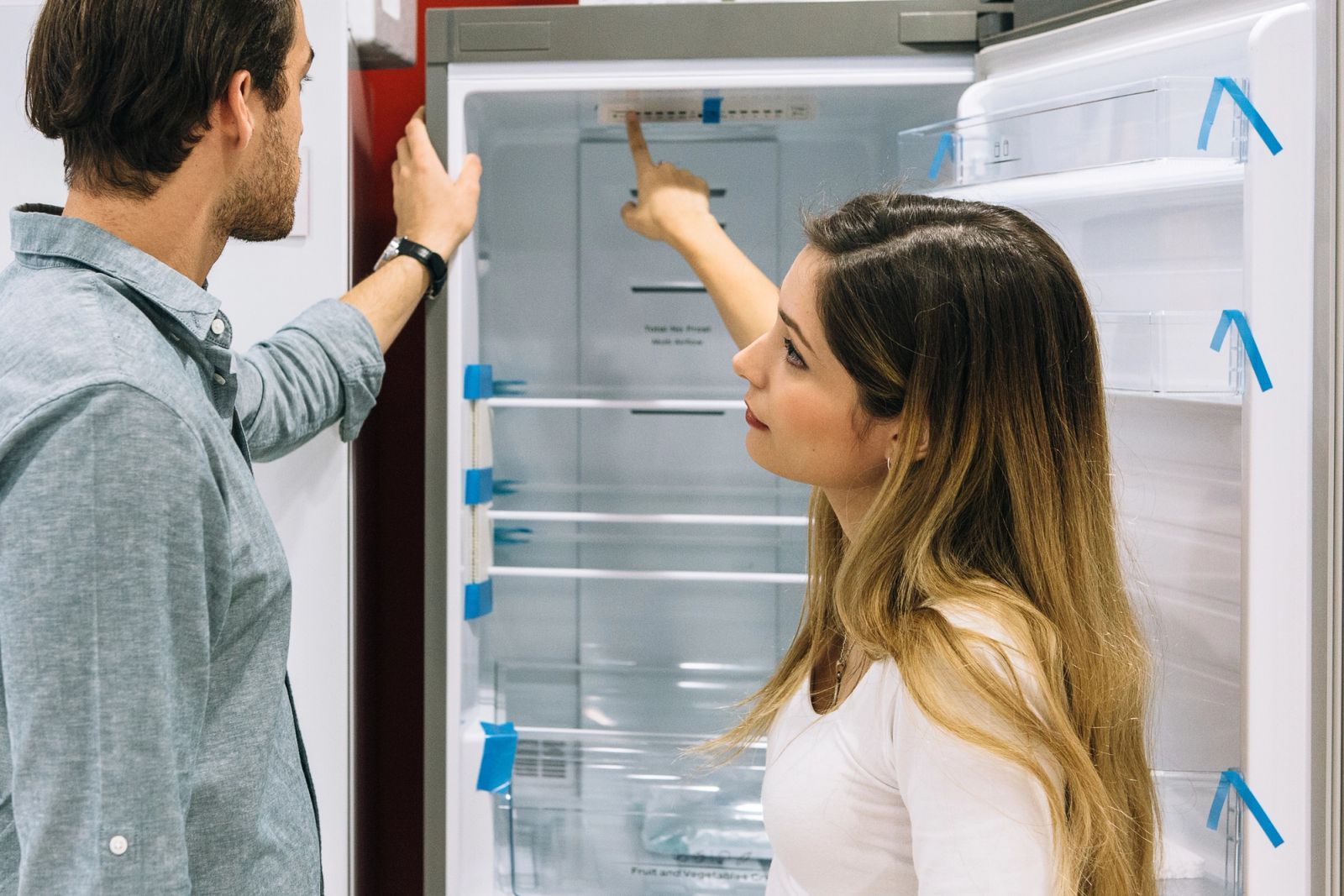
You're standing in an appliance warehouse looking at a 36-inch French door refrigerator with ice maker, water dispenser, and smart home connectivity. The model retails for $3,200. The price tag shows $1,695 with a note: "Scratch-and-dent - minor cosmetic damage, full factory warranty."
You walk around the unit. On the left side panel—the side that will face your kitchen wall—there's a shallow dent about three inches across. The stainless steel finish shows a light scratch near the bottom. The doors open smoothly. The interior is pristine with all shelves, bins, and drawers intact. The control panel lights up perfectly. Factory seals are unbroken.
Should you buy it?
For informed shoppers who know what to look for, the answer is almost always yes. Appliances represent one of the highest-value categories for discount shopping because cosmetic imperfections rarely affect performance, retail markups are substantial, and inventory turnover creates constant opportunities.
The economics favor buyers significantly. Major appliance manufacturers produce millions of units annually. During manufacturing, warehousing, and shipping, a predictable percentage acquires minor cosmetic damage—dents from forklifts, scratches from handling, finish imperfections from production. These appliances function perfectly but cannot be sold at full retail price.
Add to this the constant flow of builder surplus from construction projects where buyers change selections, open-box returns from customers who ordered wrong sizes, floor models from showroom refreshes, and overstock inventory from model-year transitions, and you have a robust secondary market offering genuine 30-60% savings.
The challenge isn't finding discount appliances—they're abundant. The challenge is knowing how to verify condition, understand warranty implications, calculate total installed cost, and distinguish legitimate deals from problem units that retailers are motivated to offload.
This comprehensive guide provides the framework for buying discount appliances with confidence. You'll learn what different discount categories mean, how to inspect systematically, when warranties apply, what installation factors affect value, and how verified local marketplaces like FLRPL eliminate the guesswork and wasted effort of traditional discount appliance shopping.
TL;DR: Quick Summary
What counts as discount appliances: Scratch-and-dent units with cosmetic damage, open-box customer returns, floor models from showroom displays, overstock inventory, builder surplus, and discontinued models. These are new or like-new appliances—not used appliances.
Typical savings by condition:
- Scratch-and-dent: 35-55% off retail depending on damage severity and visibility
- Open-box returns: 25-45% off retail depending on completeness and condition
- Floor models: 30-50% off retail depending on display duration and wear
- Overstock and discontinued: 25-40% off retail for new, unused units
Biggest risks to avoid:
- Buying units with voided or expired manufacturer warranties
- Discovering after purchase that appliances don't fit delivery paths or installation spaces
- Missing accessories or parts that cannot be replaced
- Overlooking installation and hookup costs that eliminate savings
- Purchasing known-defective returns that retailers won't disclose
Best inspection practices:
- Verify all doors, drawers, and moving parts operate smoothly
- Check manufacturer warranty status in writing before purchase
- Test electronic controls and displays if retailer permits
- Confirm all accessories, shelves, and installation hardware are present
- Photograph cosmetic damage from multiple angles for documentation
- Verify serial numbers and manufacture dates
When discount appliances make sense:
- Cosmetic damage will be hidden in installation or is acceptable to you
- Manufacturer warranty coverage is confirmed in writing
- Delivery path and installation space are verified compatible
- Installation requirements are understood and budgeted
- Model specifications match your household needs and infrastructure
How FLRPL helps: Instead of driving to multiple appliance warehouses hoping to find suitable inventory, FLRPL aggregates verified scratch-and-dent, open-box, and overstock listings from local retailers. Browse with real photos showing actual condition, detailed specifications, accurate measurements, and transparent warranty information—then inspect in person before purchase and learn how to find the best drops near you.. For buyers learning how FLRPL works, the platform functions as discovery infrastructure that makes discount appliance shopping efficient rather than a weekend-consuming treasure hunt.
What Counts as "Discount Appliances"
Understanding different discount categories helps set appropriate expectations for condition, warranty coverage, and realistic pricing.
Scratch-and-Dent Appliances
Scratch-and-dent appliances are new units with cosmetic damage acquired during manufacturing, shipping, warehousing, or showroom handling. These are factory-sealed or near-new appliances that cannot command full retail pricing because exterior appearance doesn't meet "perfect condition" standards.
Common cosmetic imperfections include:
- Dents or dings on side panels, backs, or tops from forklift contact or warehouse impacts
- Scratches on stainless steel, painted surfaces, or control panels from handling or shipping
- Finish imperfections like uneven paint application, minor rust spots, or coating inconsistencies
- Door damage such as small dents, handle scratches, or alignment issues from impacts
- Trim or accent damage including scuffed edges, chipped plastic components, or damaged feet
The defining characteristic of legitimate scratch-and-dent inventory is that damage is purely cosmetic. The compressor, heating elements, motors, controls, and all functional components remain undamaged and perform to factory specifications.
A refrigerator with a dent on the side panel cools identically to one with perfect finish. A range with scratched sides heats and cooks with the same precision as a pristine unit. The cosmetic damage creates the discount opportunity without affecting appliance performance or longevity.
Scratch-and-dent appliances typically discount 35-55% off manufacturer's suggested retail price depending on:
- Damage location: Side and rear panel damage discounts less than front-facing or visible damage
- Severity: Shallow dents discount less than deep creases; light scratches less than finish-penetrating gouges
- Appliance type: High-demand categories (refrigerators, ranges) hold value better than lower-demand items
- Brand positioning: Premium brands maintain higher scratch-and-dent pricing than economy brands
Warranty coverage varies significantly for scratch-and-dent appliances. Some manufacturers honor full factory warranties when damage is verified as cosmetic-only and occurred during shipping or handling. Others reduce coverage periods or void warranties entirely for any exterior damage.
This warranty variability makes written confirmation essential before purchasing scratch-and-dent inventory. The difference between full manufacturer warranty and no warranty changes the value proposition dramatically.
Open-Box Appliances
Open-box appliances are units returned by customers after delivery, typically unused or minimally used before return. These returns happen for multiple reasons, and understanding why an appliance was returned provides critical insight into likely condition.
Common return reasons and their condition implications:
Customer ordered wrong size or model (40-50% of open-box inventory):
- Usually pristine condition with all packaging and accessories
- Customer realized dimensional incompatibility after delivery
- Appliance never installed, possibly never unpacked completely
- Highest quality open-box category with minimal condition risk
Customer changed design plans mid-renovation (20-30% of open-box inventory):
- Typically excellent condition
- May show signs of packaging being opened and inspected
- All components usually present
- Low condition risk
Customer attempted installation then returned (15-20% of open-box inventory):
- May show scratches from moving and positioning
- Installation hardware might be partially used or missing
- Possible minor damage to connections or mounting points
- Moderate condition risk requiring careful inspection
Customer dissatisfied with performance, features, or noise (10-15% of open-box inventory):
- Could indicate genuine defect or simply mismatched expectations
- Critical to understand specific complaint and verify appliance functions correctly
- Higher condition risk requiring thorough functional testing
- Should be priced accordingly to reflect uncertainty
Damaged packaging but unused product (5-10% of open-box inventory):
- Shipping damage to boxes and protective materials
- Actual appliance typically in new condition
- Lowest condition risk in open-box category
- Often dramatically underpriced relative to actual condition
Always ask retailers specifically why appliances were returned and what verification they've performed. Retailers with established reputations provide honest disclosure because their businesses depend on customer satisfaction and repeat transactions.
Open-box appliances typically discount 25-45% off retail pricing depending on verified condition, completeness, and return reason. Units in genuinely pristine condition with all original components represent exceptional value—essentially new appliances at substantial discounts simply because packaging was opened.
Warranty coverage for open-box appliances requires careful verification. Manufacturer warranty policies vary:
- Some restart warranty periods from your purchase date, providing full coverage
- Others maintain original purchase dates, reducing your actual coverage duration
- Some void warranties on returned merchandise regardless of condition
- Extended or retailer warranties may be available as alternatives when manufacturer coverage is unavailable
Floor Models and Showroom Display Units
Floor models are appliances displayed in retail showrooms to help customers evaluate features, finishes, dimensions, and aesthetics before purchasing. Display duration ranges from a few months for fast-turning inventory to 12-18 months for slow-moving or discontinued models.
Display impact varies dramatically by appliance type:
Minimal display wear:
- Refrigerators: Unless used for active food storage, refrigerators show virtually no degradation from showroom display
- Ranges and wall ovens: Displays rarely involve actual cooking; units remain functionally new
- Dishwashers: Most are non-operational displays showing no functional wear
- Microwaves: Occasional demonstration use has negligible impact
Potential moderate display wear:
- Washers and dryers: Units demonstrated repeatedly may show drum wear or component cycling
- High-end ranges in test kitchens: Actual cooking demonstrations cause genuine use wear
- Refrigerators in working displays: Active use causes compressor cycling and interior wear
Cosmetic display considerations:
- Door handles show fingerprints, smudges, and minor wear from customer touching
- Control panels may have cosmetic scratches from repeated button pressing
- Stainless steel surfaces often show light scratching from cleaning and handling
- Interior surfaces might have dust accumulation or minor soiling from demonstrations
Floor models typically discount 30-50% off retail pricing with deeper discounts for:
- Longer display periods (12+ months)
- High-traffic showroom locations showing more cosmetic wear
- Discontinued models being cleared to make room for new inventory
- Off-season timing (buying ranges in winter, refrigerators after summer)
The primary advantage of floor models is complete visual and tactile verification. You see exactly what you're buying—finish, color, size, features, and condition—with zero uncertainty. This eliminates the primary risk of online appliance shopping where photographs often misrepresent actual appearance.
Warranty coverage for floor models varies. Some manufacturers provide full warranties treating display as equivalent to new inventory. Others reduce coverage or void warranties for displayed merchandise. Written warranty confirmation is essential.
Overstock and Discontinued Model Inventory
Overstock appliances are excess new inventory that retailers or distributors need to clear to free warehouse space and convert stagnant capital back to cash flow. These are factory-sealed, unused appliances in original packaging—functionally identical to full-price inventory.
Common overstock scenarios:
Seasonal clearances: Retailers over-ordered for peak selling seasons (spring and fall) and need to clear excess before next season's inventory arrives
Model year transitions: Manufacturers introduce updated models with new features or finishes, making previous year's inventory "old" despite being functionally current
Discontinued styles or colors: Manufacturers stop producing specific finishes or design variations, creating closeout inventory that won't be replenished
Distribution center clearances: Regional distributors consolidate inventory or close facilities, liquidating local stock
Builder project overages: Large construction projects complete with excess appliance inventory that builders cannot use
Overstock inventory typically discounts 25-40% off retail pricing depending on:
- How urgently retailer needs to clear space
- Whether product is discontinued vs simply overstocked
- Desirability of specific features, finishes, or capacities
- Local market demand for that appliance type
Discontinued models merit specific consideration. When manufacturers discontinue a model line, the overstock represents the final available inventory. This creates both opportunities and limitations:
Advantages of discontinued inventory:
- Deeper discount pricing (35-45% off retail common)
- Mature technology with known reliability rather than first-year model bugs
- Full manufacturer warranty coverage despite discontinued status
- Proven parts availability during manufacturer's support period
Limitations of discontinued inventory:
- Cannot order additional units if you later want matching appliances
- Replacement parts may become harder to source after manufacturer's 7-10 year support window
- Resale value may be lower when selling home due to "outdated" perception
- Technology or features may lag current models by 1-2 generations
For most buyers, discontinued overstock represents excellent value because:
- Manufacturer parts support lasts 7-10 years, covering typical ownership periods
- Major appliance core technologies (refrigeration, heating, washing) remain consistent across model years
- Feature differences between model years are often minor (control interfaces, minor capacity changes)
- Deep discounts offset any resale value concerns
Warranty coverage for overstock is straightforward—full manufacturer warranties apply from your purchase date because these are new, unused appliances.
Builder Surplus and Cancelled Order Inventory
Builder surplus consists of appliances purchased for construction projects where final buyers changed selections, projects were cancelled, or excess inventory remained after completion.
These appliances are typically:
- New in original packaging with all accessories
- Builder-grade specifications (mid-tier features, popular finishes)
- Ordered in sets (matching kitchen appliance packages common)
- Priced for quick sale to recover capital
Common builder surplus scenarios:
Buyer upgrades or changes: Home buyers select different appliances during construction, leaving original orders unused
Project cancellations: Construction projects halt due to financing, permits, or market conditions with appliances already purchased
Spec home inventory: Builders complete homes and install different appliances than originally planned
Volume purchase remainders: Builders order in bulk for multiple projects; excess remains after installation completion
Builder surplus typically discounts 30-45% off retail with strongest deals on appliance packages where buyers take multiple units (refrigerator, range, dishwasher, microwave).
Warranty coverage for builder surplus varies. Some manufacturers honor full warranties if appliances were purchased through authorized channels and remain in factory-sealed condition. Others consider builder purchases as separate from retail consumer warranties.
Verification is critical for builder surplus:
- Confirm appliances are truly new and unused, not removed from other installations
- Verify manufacturer warranty eligibility with serial number checks
- Ensure all accessories, installation hardware, and documentation are present
- Check that finish and specifications match your needs (builder-grade may lack premium features)
Major Appliance Categories: Where to Find the Best Deals
Discount availability, typical savings, and inspection priorities vary significantly across appliance categories. Understanding these patterns helps target shopping efforts toward highest-value opportunities.
Kitchen Appliances
Refrigerators: Highest Volume Discount Opportunities
Refrigerators dominate discount appliance channels because of high retail pricing ($1,500-6,000 for most models), constant new product introductions creating overstock, and large physical size making cosmetic damage during shipping and warehousing common.
Configuration types and discount patterns:
French door refrigerators (most popular residential style):
- Typical retail: $2,200-4,500 for mainstream brands
- Scratch-and-dent savings: $900-2,000 (40-50% discounts common)
- Common damage: Dents on side panels, door handle scratches, finish inconsistencies
- Inspection priorities: Door alignment (French doors must open smoothly and seal evenly), ice maker function, interior bin completeness
Side-by-side refrigerators:
- Typical retail: $1,800-3,500
- Scratch-and-dent savings: $700-1,500 (35-45% discounts)
- Common damage: Side panel dents, water dispenser scratches
- Inspection priorities: Water/ice dispenser seals, vertical door alignment, freezer drawer function
Top-freezer and bottom-freezer models:
- Typical retail: $1,200-2,800
- Discount availability: Less common in scratch-and-dent (simpler designs ship with less damage)
- When available: 30-40% discounts typical
- Best value: Overstock and discontinued models rather than scratch-and-dent
Counter-depth refrigerators:
- Typical retail: $2,500-5,500 (premium pricing for built-in appearance)
- Scratch-and-dent savings: $1,000-2,500
- Limited availability: Smaller market means less overstock and fewer scratch-and-dent units
- When found: Exceptional value due to high original pricing
Built-in refrigerators:
- Typical retail: $5,000-12,000+
- Rare in discount channels: Limited production volumes, specialized installations
- When available: 30-40% discounts ($2,000-5,000 savings possible)
- Verification critical: Exact dimensional compatibility with cabinet requirements essential
Critical inspection points for all refrigerators:
Door seals and gaskets: Damaged seals cause cooling inefficiency, compressor overwork, and energy waste. Run your hand around the entire door perimeter feeling for continuous seal contact. Test magnetic hold strength. Replace costs: $100-250 per door.
Ice maker and water dispenser: Verify presence and undamaged condition. Test water flow if retailer permits. Missing components are expensive replacements: ice makers $200-400, dispensers $150-300.
Interior completeness: Count shelves, bins, drawers, and door storage components against specifications. Missing pieces cost $40-150 each to replace.
Compressor operation: If power testing is permitted, verify compressor runs smoothly without excessive noise. Listen for grinding, clicking, or unusual sounds indicating mechanical issues.
Temperature controls: Verify digital displays function completely and controls respond accurately to input.
Delivery considerations for refrigerators:
- Weight: 250-400 lbs requiring two-person delivery minimum
- Dimensions: Measure doorways (need 1-2 inches clearance), stair widths, corner turn radius
- Hookups: Water line for ice maker/dispenser ($100-200 installation if not existing)
- Clearance: Leave 1-2 inches on sides and top for airflow
For homeowners unsure about dimensional compatibility, reviewing guidance on how to measure before you buy prevents the most common and costly mistake—purchasing appliances that don't fit delivery paths or installation spaces.
Ranges: Gas, Electric, Induction, and Dual-Fuel
Ranges offer strong discount opportunities because of diverse fuel types and installation requirements that cause frequent customer returns, creating robust open-box inventory.
Fuel type considerations and discount patterns:
Gas ranges:
- Typical retail: $800-3,500 (basic to professional-style)
- Scratch-and-dent availability: Excellent—side panels, burner grates, and oven doors show cosmetic damage frequently
- Typical savings: $300-1,500 (35-50% off retail)
- Installation requirement: Gas line (natural gas or propane) required—conversion or installation costs $200-600
- Inspection priorities: Burner grate completeness (replacements $60-150 per grate), igniter function, gas manifold condition
Electric ranges (smooth-top and coil):
- Typical retail: $600-2,500
- Open-box availability: High due to customer preference changes after delivery
- Typical savings: $250-1,000 (30-45% off retail)
- Installation requirement: 240V electrical circuit (most homes have this for existing ranges)
- Inspection priorities: Glass cooktop integrity (cracks disqualify purchase), heating element function, oven control operation
Induction ranges:
- Typical retail: $1,500-4,000 (premium technology pricing)
- Discount availability: Good—newer technology means more customer returns from learning curve concerns
- Typical savings: $500-1,800 (35-50% off retail)
- Installation requirement: 240V circuit plus compatible cookware (magnetic materials only)
- Inspection priorities: Induction zone activation, control panel function, cooktop surface integrity
Dual-fuel ranges (gas cooktop, electric oven):
- Typical retail: $2,500-6,000+ (professional features)
- Scratch-and-dent availability: Excellent relative to high pricing creating strong savings opportunities
- Typical savings: $1,000-3,000 (40-55% off retail for damaged units)
- Installation requirements: Both gas line AND 240V electrical—complex installation costs $400-800
- Inspection priorities: Gas burner function, electric oven heating, integrated grill or griddle operation
Range style considerations:
Freestanding ranges (most common):
- Finished sides, controls on back panel
- Fit between cabinets with gaps on sides
- Most abundant in discount channels
Slide-in ranges:
- Unfinished sides designed to fit flush with cabinets
- Controls on front to prevent reaching over cooktop
- Strong discount availability due to dimensional return issues
- Critical to verify exact width compatibility (30" vs 30.5" vs 36")
Commercial-style ranges:
- Professional features, high-BTU burners, heavy construction
- Premium pricing ($3,500-8,000+) creates high absolute dollar savings
- Less available in scratch-and-dent due to lower sales volumes
- When available, $1,500-3,500 savings possible
Critical inspection points for all ranges:
Oven door alignment and seal: Door should close flush with even gap around perimeter. Misaligned doors leak heat causing inefficiency and uneven cooking. Seal damage requires $80-150 replacement.
Burner grate completeness (gas ranges): Count grates and verify all are present and undamaged. Missing grates make burners unusable. Replacements cost $60-150 each.
Cooktop surface integrity (electric/induction): Any cracks in glass cooktops disqualify purchase. Cracked cooktops are safety hazards and cannot be repaired—only full replacement ($300-600).
Anti-tip bracket: Federal law requires anti-tip bracket installation for all ranges. Verify bracket is included ($20-40 replacement if missing, but required for safe installation).
Oven rack presence: Verify oven racks are present (should have 2-3 racks). Replacement racks cost $50-120 each.
Installation costs for ranges:
- Electric: $150-300 (simple circuit connection)
- Gas: $300-600 (gas line connection plus electrical for ignition/lights)
- Dual-fuel: $400-800 (both gas and electric hookups)
Dishwashers: Most Common Open-Box Category
Dishwashers lead open-box appliance categories because dimensional compatibility issues cause frequent returns. Customers measure incorrectly, discover interference with plumbing or electrical, or find noise levels unacceptable—all creating robust secondary inventory.
Dishwasher types and discount patterns:
Built-in full-size dishwashers (24" standard width):
- Typical retail: $500-1,800 (basic to premium features)
- Open-box availability: Excellent—highest return rate in appliances
- Typical savings: $200-750 (30-45% off retail)
- Common return reasons: Wrong dimensions, incompatible plumbing, noise concerns
- Inspection priorities: Spray arm rotation, rack condition, door seal integrity, control panel function
18-inch compact dishwashers:
- Typical retail: $700-1,400
- Limited discount availability: Smaller market, fewer units produced
- When available: 35-50% savings possible
- Installation considerations: Require custom cabinet modifications in most kitchens
Drawer dishwashers (single or double):
- Typical retail: $1,200-2,800
- Moderate discount availability: Niche product with moderate production
- Typical savings: $400-1,200 when available
- Inspection priorities: Drawer slide mechanisms, electronic controls, rack completeness
Panel-ready dishwashers:
- Typical retail: $800-2,000 (plus custom panel costs)
- Strong discount availability: Builders often order wrong sizes
- Typical savings: $300-900
- Critical verification: Exact dimensional compatibility with cabinet opening
Critical inspection points for dishwashers:
Spray arm rotation: Lower and upper spray arms should rotate freely without catching on racks or tub walls. Stuck spray arms indicate damage or deformation. Cannot be easily repaired.
Rack condition and operation: Racks should slide smoothly on track assemblies. Verify all tines are present and undamaged. Check rack coating for chips (exposed metal rusts). Replacement racks cost $80-200 each.
Door seal and latch: Door gasket should be continuous and undamaged. Test latch mechanism—door should close securely with positive click. Damaged seals leak water; faulty latches prevent operation.
Interior tub condition: Inspect for cracks, rust spots, or damage to spray manifolds. Tub damage disqualifies purchase—repair is not cost-effective.
Control panel operation: If power testing permitted, verify all buttons respond and displays function completely. Electronic control failures are expensive repairs ($200-400).
Filter presence and condition: Bottom filter should be present and undamaged. Verify filter can be removed and reinstalled easily. Missing filters cost $30-80.
Installation considerations for dishwashers:
- Dimensional fit: Measure cabinet opening precisely (height, width, depth). Standard is 24"W × 24"D × 34"H but verify exact specs.
- Plumbing hookup: Hot water supply and drain connection required ($100-150 installation if extending from sink)
- Electrical: Hard-wired connection or outlet under sink ($100-200 if new circuit needed)
- Countertop support: Dishwashers mount to underside of counter (verify adequate attachment capability)
Why dishwashers appear frequently on FLRPL: The combination of frequent open-box availability, predictable discount pricing, and straightforward inspection makes dishwashers ideal for verified local marketplaces. Buyers can browse current fresh drops of new inventory, filter by dimensions to ensure compatibility, view real photos showing condition, and inspect in person before purchase—eliminating the primary risks of dimensional incompatibility and undisclosed damage.
Wall Ovens, Cooktops, and Microwaves
Wall ovens:
- Typical retail: $1,200-4,500 (single), $2,500-7,000 (double)
- Scratch-and-dent availability: Moderate (fewer sold than ranges)
- Typical savings: $500-2,000 (35-50% off retail)
- Installation complexity: Requires cabinet cutout precise to specifications, electrical hookup
- Inspection priorities: Door alignment, interior racks, heating element function, control accuracy
Cooktops (gas, electric, induction):
- Typical retail: $600-3,500
- Discount availability: Good, especially for gas cooktops requiring specific installations
- Typical savings: $250-1,500 (35-50% off retail)
- Installation requirements: Counter cutout plus gas or electrical hookups
- Inspection priorities: Burner grate completeness (gas), surface integrity (electric/induction), control function
Built-in microwaves and over-range microwaves:
- Typical retail: $300-1,200 (built-in), $200-800 (over-range)
- Open-box availability: Strong due to dimensional compatibility issues
- Typical savings: $100-500 (30-40% off retail)
- Installation considerations: Exact cabinet opening compatibility (built-in), vent configuration (over-range)
- Inspection priorities: Door seal and latch, turntable rotation, control panel function
Laundry Appliances
Front-Load Washers: Premium Features at Discount Prices
Front-load washers dominate premium washer segments and offer exceptional discount opportunities because of high retail pricing and aesthetic/ergonomic concerns causing open-box returns.
Capacity and feature tiers:
Basic front-load washers (4.0-4.5 cu ft):
- Typical retail: $800-1,400
- Scratch-and-dent savings: $300-600 (35-45% off)
- Common damage: Side panel dents, control panel scratches
- Inspection priorities: Door seal integrity, drum rotation smoothness, control operation
Mid-tier front-load washers (4.5-5.0 cu ft with steam or sanitize features):
- Typical retail: $1,200-2,200
- Open-box availability: Excellent—frequent returns after customers test wash cycles
- Typical savings: $500-1,000 (40-50% off)
- Inspection priorities: Steam generator function, specialty cycle operation, vibration control system
Premium/large capacity (5.0+ cu ft with smart features):
- Typical retail: $1,800-3,000
- Scratch-and-dent availability: Strong relative to high pricing
- Typical savings: $800-1,500 (45-55% off)
- Inspection priorities: Smart connectivity, specialty features (auto-dispense, WiFi), door seal condition
Critical inspection points for front-load washers:
Door seal (boot) condition: The large rubber boot creates a water-tight seal. Inspect entire circumference for tears, mold, or deterioration. Damaged seals leak water and allow mold growth. Replacement costs $100-200 plus labor.
Drum rotation and bearing condition: Manually rotate drum listening for grinding, clicking, or resistance. Bearing failures are expensive repairs ($300-600). Spin drum vigorously—excessive wobble indicates bearing or suspension issues.
Door hinge and latch: Door should open smoothly to full extension and close securely with positive latch engagement. Failed latches prevent operation.
Suspension and vibration control: Front-load washers use complex suspension systems. Check for visible damage to shock absorbers or spring assemblies. Inadequate suspension causes excessive vibration and walking during spin cycles.
Control panel and display: Verify all buttons and knobs function. Check that digital display illuminates completely. Electronic failures in washers are expensive to repair.
Dispenser drawer operation: Drawer should slide smoothly and seat fully. Check for cracks or damage to dispenser compartments.
Installation considerations:
- Pedestals: Optional pedestal bases add 12-16 inches of height ($200-400 typically). Verify compatibility if purchasing used pedestal with washer.
- Stacking: If planning to stack dryer above washer, verify stacking kit compatibility and availability ($100-200).
- Hookups: Hot and cold water supply, drain connection, 120V electrical outlet
Dryers: Gas vs Electric Opportunities
Dryers show strong discount availability because gas models have limited markets (many regions are electric-only), creating open-box inventory when customers order wrong fuel type.
Electric dryers:
- Typical retail: $600-1,600
- Discount availability: Moderate (simpler technology, fewer returns)
- Typical savings: $250-700 (30-45% off)
- Installation requirement: 240V circuit (same as range electrical)
- Inspection priorities: Heating element operation, drum rotation, lint filter condition
Gas dryers:
- Typical retail: $700-1,800
- Discount availability: Strong due to fuel-type confusion causing returns
- Typical savings: $300-900 (40-55% off)
- Installation requirements: Gas line connection plus 120V electrical
- Inspection priorities: Gas valve operation, igniter function, exhaust compatibility
Heat pump dryers (emerging premium category):
- Typical retail: $1,200-2,000
- Limited availability: Newer technology, small market share
- When available: 35-50% savings possible
- Benefits: Ventless operation, extreme energy efficiency
- Inspection priorities: Heat exchanger condition, condenser cleaning access
Critical inspection points for all dryers:
Drum rotation: Manually rotate drum checking for smooth operation without grinding or excessive play. Drum support rollers wear over time; excessive noise indicates wear.
Lint filter and housing: Filter should be present, undamaged, and fit securely in housing. Verify filter slides easily for removal and insertion. Check lint housing for damage or cracks.
Exhaust connection: Inspect exhaust port for damage. Verify included vent adapter fits your existing duct (4" standard).
Door seal: While less critical than washer door seals, dryer door gaskets should be intact to maintain heat efficiency.
Moisture sensors: If equipped with moisture sensing (most modern dryers), verify sensors are present and undamaged (typically metal strips in drum).
Installation considerations:
- Vent duct: 4" flexible or rigid duct required, length affects efficiency (shorter is better)
- Gas hookup: Requires licensed plumber ($150-400) and proper ventilation
- Electric hookup: 240V dryers require specific outlet configuration (3-prong or 4-prong depending on home electrical code)
Small Appliances: Occasional High-Value Opportunities
Premium small appliances occasionally appear in discount channels offering strong value for specific categories.
Espresso and coffee machines:
- Premium models retail: $800-3,500
- Open-box discount: 25-40% when customers find operation too complex
- Inspection critical: Test operation if possible, verify all accessories present
Commercial-grade blenders:
- Retail: $400-700
- Discount availability: Moderate from open-box returns
- Typical savings: $150-300
Stand mixers (premium brands):
- Retail: $400-600
- Strong discount availability: Popular gifts often returned
- Typical savings: $120-250
Beverage coolers and wine refrigerators:
- Retail: $400-2,500
- Scratch-and-dent availability: Good
- Typical savings: $150-1,000
For small appliances, warranty coverage becomes more critical because mechanical complexity (in espresso machines particularly) creates higher failure rates than major appliances. Manufacturer warranty verification is essential for valuable small appliances.
Warranties and Manufacturer Coverage: Critical Verification
Warranty status represents the single most important verification for discount appliance purchases after confirming physical condition. The difference between full manufacturer warranty and no coverage changes the value equation completely.
Understanding Manufacturer Warranty Basics
Standard manufacturer warranties for major appliances typically provide:
Parts and labor coverage: 1 year comprehensive (all components covered)
Extended component coverage: 2-5 years on specific critical components:
- Refrigerator compressor: 5-10 years parts-only typical
- Washer/dryer drive motor: 3-5 years parts-only
- Range heating elements: 2-5 years parts-only
- Dishwasher tub and door liner: 5-10 years parts-only (premium models)
What manufacturer warranties cover:
- Manufacturing defects in materials or workmanship
- Component failures during normal use
- Parts and labor (during first year typically)
- Service calls from authorized repair networks
What manufacturer warranties exclude:
- Cosmetic damage (scratches, dents, finish imperfections)
- Damage from improper installation
- Damage from user modification or unauthorized repair
- Normal wear and tear
- Commercial use
- Acts of God (lightning, flood, etc.)
When Full Manufacturer Warranties Apply to Discount Appliances
Overstock and builder surplus: Full manufacturer warranties apply from purchase date when appliances are:
- Factory-sealed in original packaging
- Unused with protective films and packaging intact
- Purchased through authorized dealer channels
- Properly documented with serial number registration
Some scratch-and-dent inventory: Certain manufacturers provide full warranty coverage when:
- Damage is verified as cosmetic-only
- Damage occurred during authorized dealer handling or shipping
- Appliance was never activated or used
- Serial number verification confirms manufacturing date within eligible period
Specific manufacturer policies vary significantly. Whirlpool, LG, Samsung, GE, and other major brands each have different policies regarding scratch-and-dent and open-box warranty coverage.
Written warranty confirmation from the retailer is essential—verbal assurances are insufficient. Obtain documentation specifying:
- Warranty provider (manufacturer name)
- Coverage duration from your purchase date
- What's covered (comprehensive vs parts-only)
- Who handles service (manufacturer network, third-party, or retailer)
- Registration requirements and procedures
When Warranties Are Reduced, Modified, or Void
Open-box appliances often have altered warranty terms:
Original purchase date maintained: When manufacturer considers the original retail sale date as warranty start, you receive only remaining coverage. An appliance sold 6 months ago with 1-year warranty provides only 6 months coverage to you.
Reduced coverage periods: Some manufacturers offer limited warranties on returned merchandise—common terms include:
- 90-day functionality warranty instead of 1 year
- 6-month limited warranty covering major components only
- 30-day DOA (dead on arrival) coverage with no extended coverage
Warranty voided entirely: Manufacturer policies sometimes void warranties when:
- Appliance was returned by original purchaser
- Packaging was opened or protective films removed
- Appliance shows any evidence of installation attempt
- Appliance was sold through unauthorized channels
Scratch-and-dent warranty variations:
No manufacturer warranty: When cosmetic damage is severe or when manufacturers determine damage indicates rough handling that may have caused internal damage, warranties may be voided completely.
Cosmetic damage excluded: Some manufacturers provide functionality warranties while excluding coverage for pre-existing cosmetic damage. This protects buyers from mechanical failures while preventing claims related to scratches or dents.
Reduced terms: Scratch-and-dent units might receive 90-day or 6-month warranties instead of full 1-year coverage.
Retailer and Third-Party Extended Warranties
Store-backed warranties: Some appliance retailers offer their own warranty coverage:
Advantages:
- May provide coverage when manufacturer warranties are unavailable
- Typically cover all components without exclusions
- Service coordination handled by retailer
- Can supplement or replace manufacturer coverage
Disadvantages:
- Reliability depends on retailer's financial stability and longevity
- Service networks may be smaller than manufacturer networks
- Terms often include significant exclusions and limitations
- Value proposition varies—some excellent, others poor
Third-party extended warranty programs:
Sold by retailers at point of purchase, these warranties typically:
- Cost 10-20% of appliance purchase price
- Extend coverage beyond manufacturer warranty periods
- Vary dramatically in quality and claim payment reliability
- Include significant exclusions and limitations
Evaluating extended warranty value:
Consider extended warranties when:
- Manufacturer warranty is unavailable or severely limited
- Appliance has complex electronics or mechanical systems (front-load washers, induction ranges)
- Appliance is critical to household operation (refrigerator, primary washer)
- Cost is reasonable relative to appliance value (under 15% of purchase price)
Skip extended warranties when:
- Full manufacturer warranty is available
- Appliance is simple with few electronic components
- Cost exceeds 20% of purchase price
- Warranty provider has poor reputation or unclear claims process
- You have emergency fund adequate to cover potential repairs
For premium appliances with no manufacturer warranty, retailer or third-party coverage might be essential. For basic appliances with full manufacturer warranty, extended coverage rarely justifies the cost.
Warranty Verification Checklist
Before purchasing any discount appliance, obtain written answers to:
- Who provides warranty coverage? (Manufacturer, retailer, third-party, or none)
- What is covered? (All components or specific parts only)
- For how long? (Duration from your purchase date)
- What's excluded? (Cosmetic damage, specific components, user damage)
- How do you file claims? (Phone number, website, service network)
- Who handles repairs? (Manufacturer network, retailer, third-party)
- Are there registration requirements? (Must you register within specific timeframe)
- What documentation is required for claims? (Receipt, serial number, photos)
Photograph warranty documentation and store with purchase receipt. Register appliances with manufacturers when required—many warranties are void without timely registration.
How to Inspect Discount Appliances: Systematic Verification
Professional inspection prevents discovering expensive problems after delivery when return options are limited or nonexistent.
Pre-Visit Preparation
Before visiting warehouses or showrooms to inspect discount appliances:
Measure your installation space precisely:
- Width, depth, and height of cabinet opening or appliance location
- Doorway widths along entire delivery path
- Stair dimensions if delivery involves upper floors
- Clearance space required for ventilation or door swing
Research the specific model:
- Review manufacturer specifications for exact dimensions
- Check online reviews for common problems or defects
- Verify energy consumption and efficiency ratings
- Understand feature set and what accessories should be included
Bring inspection tools:
- Tape measure for verification of dimensions
- Flashlight for inspecting dark interior areas
- Camera for documenting condition
- Checklist of inspection points (use this guide)
- Cloth for wiping away dust to see finish clearly
Prepare questions for retailer:
- Why is this appliance discounted? (damage, return, overstock)
- What warranty coverage applies?
- Are all accessories and installation hardware included?
- Can appliance be powered on for testing?
- What are delivery options and costs?
- What is the return policy and any restocking fees?
Exterior Cosmetic Inspection
Document all cosmetic damage thoroughly:
Photograph from multiple angles:
- Overall appearance from front
- Each side panel
- Top surface
- Back panel
- Close-ups of specific damage (dents, scratches, chips)
- Control panel and displays
- Door handles and trim
Documentation serves three purposes:
- Pre-purchase assessment: Helps you evaluate whether damage is acceptable
- Delivery verification: Proves condition at time of purchase, preventing disputes about damage during delivery
- Resale reference: Documents condition for future resale if needed
Assess damage severity and location:
Minor acceptable damage (typical for scratch-and-dent):
- Small dents (1-2 inches) on side panels that will face walls
- Light surface scratches on backs or sides
- Minor finish imperfections on top surfaces (refrigerators, washers)
- Cosmetic blemishes on protective films that will be removed
Moderate damage (price should reflect):
- Visible dents or scratches on front-facing surfaces
- Multiple areas of damage across appliance
- Door handle scratches or damage
- Control panel cosmetic issues that don't affect function
Concerning damage (may disqualify purchase):
- Cracks in glass surfaces (cooktops, oven doors, dryer drums)
- Deep dents affecting door alignment or function
- Rust or corrosion on exterior surfaces
- Damage to structural components or mounting points
- Broken trim pieces or missing components
Verify finish quality:
- Stainless steel: Check for deep scratches exposing base metal (rust risk)
- Painted surfaces: Look for chips or cracks in paint finish
- Plastic components: Verify no cracks or stress fractures
- Glass surfaces: Inspect for any cracks or chips
Structural and Functional Testing
Test all moving parts systematically:
Doors:
- Open fully and verify smooth operation throughout range
- Close and verify secure latch engagement
- Check door weight balance (should stay in any position, not swing open or slam closed)
- Verify alignment (even gaps around perimeter when closed)
- Test multiple times to ensure consistent operation
Drawers and bins (refrigerators, freezers, dishwashers):
- Pull out fully and verify smooth sliding on tracks
- Push in fully and verify secure seating
- Remove and reinstall to check mounting mechanism
- Verify no cracks, warping, or damage to components
Controls and buttons:
- Press each button or turn each knob verifying responsive action
- Cycle through all settings and modes
- Check that buttons have appropriate tactile feedback
- Verify knobs turn smoothly with distinct position clicks
Displays and lights:
- Verify digital displays illuminate fully with no dead pixels or segments
- Check interior lights activate when doors open
- Test any indicator lights or status displays
- Verify display brightness and clarity
Door Alignment and Seal Verification
Proper door alignment is critical for:
- Energy efficiency (refrigerators, freezers)
- Water containment (dishwashers, front-load washers)
- Heat retention (ovens, dryers)
Alignment inspection:
Close door completely and examine gaps around perimeter. Gap should be consistent around entire perimeter—typically 1/8 to 1/4 inch. Uneven gaps indicate:
- Hinge damage from impacts
- Door warping from force or heat
- Structural frame damage to appliance cabinet
Seal inspection:
Refrigerators and freezers:
- Run your hand completely around door perimeter feeling for air leaks
- Paper test: Close door on piece of paper; should resist when pulled
- Visual test: Observe seal contact—should compress evenly around entire perimeter
- Look for tears, cracks, or deterioration in rubber gasket
- Check magnetic strip embedded in seal (refrigerators) holds firmly
Dishwashers and front-load washers:
- Inspect rubber boot or door seal for tears, mold, or deterioration
- Verify seal seats fully in groove around door opening
- Check for compression when door closes—seal should compress evenly
- Look for water staining indicating previous leaks
Ovens:
- High-temperature door seals are typically fiberglass or silicone
- Verify continuous seal around entire door perimeter
- Check for gaps or deterioration in seal material
- Test door closure force—should compress seal noticeably
Damaged seals disqualify purchases or justify major price reductions. Seal replacement costs:
- Refrigerator door seals: $100-250 per door
- Dishwasher door boot: $80-150
- Front-load washer door boot: $100-200
- Oven door seal: $60-120
Interior Condition Assessment
Thoroughly inspect all interior surfaces and components:
Refrigerators and freezers:
- Count shelves against specifications—missing shelves cost $40-120 each
- Test shelf adjustment mechanisms and verify secure positioning
- Check all bins and drawers for cracks or damage
- Verify door storage components are present and undamaged
- Inspect interior walls for cracks, damage, or staining
- Check drain hole and drip pan accessibility
- Verify ice maker components are present (if equipped)
Ranges and ovens:
- Count oven racks against specifications (typically 2-3 racks)
- Verify racks slide smoothly on guides
- Check for warping or damage to rack wire
- Inspect oven interior for damage to porcelain coating
- Verify broiler pan and insert are present
- Check convection fan cover and blade (if equipped)
- For gas ranges, inspect burner caps and grates (replacements are expensive)
Dishwashers:
- Inspect racks for rust, damage, or missing tines
- Verify racks roll smoothly on track assemblies
- Check spray arms rotate freely without obstruction
- Verify spray arm mounting points are secure
- Inspect tub interior for cracks or rust
- Check filter assembly is present and removable
Washers:
- Inspect drum interior for dents, rust, or damage
- Verify drum rotates freely when turned by hand
- Check for unusual play or wobble in drum (bearing issues)
- Inspect agitator (top-load) or drum vanes (front-load) for damage
- Verify dispensers are present and undamaged
Dryers:
- Inspect drum interior for dents, damage, or sharp edges
- Check drum rotation smoothness
- Verify lint filter is present and fits properly
- Inspect moisture sensor strips (if equipped) for damage
Power Testing and Operational Verification
If retailer permits power testing (not all do):
Refrigerators:
- Plug in and verify compressor starts within 5-10 minutes
- Listen for normal compressor operation (smooth hum, no grinding or clicking)
- Check that interior light activates when door opens
- Verify control panel responds to temperature adjustments
- Test ice maker cycle if equipped and hookup available
- Confirm water dispenser operates if equipped
Ranges and ovens:
- For electric models, verify heating elements glow when activated
- For gas models, test that igniters click and burners light
- Check oven heating element activation and indicator lights
- Verify temperature control panel functions
- Test any specialty features (convection, self-clean mode)
Dishwashers:
- If hookup available, start wash cycle and verify:
- Water inlet valve operates (water flows in)
- Spray arms rotate during water fill
- Drain pump operates after fill
- Control panel advances through cycle stages
- Listen for unusual noises or vibrations
Washers and dryers:
- If hookup available, run brief test cycle:
- Washer: Water fills, drum rotates, drains properly
- Dryer: Drum rotates, heating activates (electric) or burner lights (gas)
- Check for excessive vibration or unusual noises
Many retailers cannot provide power testing in warehouse settings due to utility constraints. In these cases, serial number verification and manufacture date checking become more important to ensure appliances aren't excessively old or sitting in inventory for years.
Accessory, Parts, and Documentation Verification
Compare actual contents against manufacturer specifications:
Standard included accessories to verify:
Refrigerators:
- All shelves per specifications
- All bins and drawers
- Door storage components
- Ice maker and water filter (if equipped)
- Water line connection kit
- User manual and installation guide
Ranges:
- All oven racks specified
- Broiler pan and insert
- Burner grates (gas models)
- Griddle or grill inserts (if equipped)
- Anti-tip bracket (legally required)
- User manual and installation guide
Dishwashers:
- Upper and lower racks
- Cutlery basket or third rack
- Spray arms
- All mounting brackets and hardware
- Drain hose
- User manual and installation guide
Washers and dryers:
- Hoses and clamps (washers)
- Exhaust vent adapter (dryers)
- Leveling feet adjustment tools
- User manual and installation guide
- Pedestal mounting hardware (if purchasing pedestal)
Missing accessories create unexpected costs:
- Oven racks: $50-120 each
- Dishwasher racks: $80-200 each
- Refrigerator shelves: $40-120 each
- Refrigerator bins: $30-100 each
- Burner grates: $60-150 per grate
If accessories are missing, negotiate price reduction equal to replacement cost plus 20-30% for inconvenience of sourcing parts.
Verify installation hardware is complete:
- Mounting brackets and screws
- Anti-tip devices for ranges
- Leveling feet
- Transition pieces or trim kits
Document all missing items in writing and obtain price adjustment agreement from retailer before purchase.
Serial Number and Manufacture Date Recording
Record serial numbers from appliance data plates for multiple purposes:
Warranty verification: Manufacturers can confirm warranty eligibility and coverage duration based on serial number
Manufacture date determination: Most manufacturers encode manufacturing date in serial numbers (decode instructions available online by manufacturer)
Parts ordering: Serial numbers ensure correct replacement part compatibility
Recall status: Check CPSC.gov for safety recalls affecting specific serial number ranges
Ideal manufacture dates for discount appliances are within 18 months of purchase date. Appliances manufactured 2-3+ years before purchase may have:
- Degraded rubber seals and gaskets from aging
- Outdated technology or features
- Shorter remaining parts availability periods
- Potential warranty issues if manufacturers use build date rather than sale date for coverage
Avoid appliances with manufacture dates beyond 24 months unless pricing reflects age and condition is thoroughly verified.
Delivery, Pickup, and Installation Considerations
Total installed cost—not just purchase price—determines the real value of discount appliances. Understanding delivery logistics and installation requirements prevents expensive surprises.
Measuring for Delivery Path and Installation
The single most common and costly mistake is purchasing appliances that don't fit delivery paths or installation spaces.
Measure and document systematically:
Installation space dimensions:
- Width: Measure at top, middle, and bottom (walls aren't always plumb)
- Depth: From wall to front of cabinets or intended appliance front
- Height: Floor to underside of counter or cabinet
- Allow clearances: Appliances need ventilation space (typically 1-2 inches on sides and top)
Doorway measurements along entire delivery path:
- Width: Measure at narrowest point (typically at trim)
- Height: Measure diagonally from corner to corner (often limiting dimension for tall appliances)
- Depth: Door frame thickness can reduce effective opening
Hallway and corner dimensions:
- Hallway width: Measure at narrowest points
- Corner turn radius: Measure from outside wall to inside wall at turns
- Ceiling height: Tall appliances may not negotiate corners under standard 8-foot ceilings
Stairway measurements if applicable:
- Width: Measure at narrowest point between railings and walls
- Ceiling height: Particularly critical at top and bottom of stairs
- Landing space: Ensure adequate room for maneuvering at top and bottom
Critical appliance dimensions to verify:
- Overall height, width, depth (in product specifications)
- Door swing clearance for refrigerators (French doors need significant front clearance)
- Depth with door open (refrigerators extend significantly when doors open fully)
When browsing appliances on verified marketplaces like FLRPL, listings include precise dimensions that can be compared against your measurements before scheduling warehouse visits—preventing wasted trips to view appliances that won't fit.
Understanding how to measure before you buy is one of the most valuable skills for appliance shopping. Proper measurement prevents the most expensive mistake: purchasing appliances that cannot be delivered or installed.
Local Pickup vs Professional Delivery
Self-pickup advantages:
- Cost savings: $0 vs $75-200 for delivery
- Immediate availability: Take appliance home same day
- Scheduling flexibility: No waiting for delivery windows
- Damage control: You control all handling
Self-pickup requirements:
- Appropriate vehicle: Truck, large SUV, or van with cargo capacity adequate for appliance dimensions
- Sufficient help: Most appliances require 2-3 people for safe loading
- Tie-downs and padding: Secure appliances and protect finishes during transport
- Physical capability: Appliances weigh 150-400+ lbs
Self-pickup is practical for:
- Dishwashers: 60-80 lbs, fits in most SUVs
- Compact microwaves: 40-60 lbs
- Dryers (with help): 120-150 lbs
- Small capacity washers (with help): 150-180 lbs
For larger items, see why local pickup often beats shipping for big-ticket home finds.
Professional delivery is necessary for:
- Refrigerators: 250-400+ lbs, large dimensions, requires professional handling
- Ranges: 200-350 lbs, need exact positioning, require protective floor coverings during move
- Large capacity washers: 200-300 lbs
- Built-in appliances: Complex installation requirements
Professional delivery typically includes:
- Transportation from warehouse to your home
- Moving through doorways and up/down stairs
- Removal of packaging materials
- Positioning in installation location
- Basic leveling
- Protective floor coverings during move
Professional delivery does NOT typically include:
- Installation (hookup to utilities)
- Old appliance haul-away (usually available as add-on service)
- Wall or floor modifications for fit
- Electrical or plumbing work
Delivery cost factors:
- Distance: Local delivery $75-150, longer distances $150-300
- Complexity: Stairs, long carries, tight doorways add $50-150
- Appliance type: Refrigerators cost more than ranges due to size and fragility
- Timing: Rush delivery or specific time windows may cost more
Installation Requirements and Hidden Costs
Installation complexity and costs vary dramatically by appliance type. Understanding requirements prevents budget overruns that eliminate discount savings.
Refrigerator Installation
Typical installation needs:
- Electrical: Standard 120V outlet (usually existing)
- Water line (if equipped with ice maker or water dispenser):
- Connection to cold water supply ($100-200 if extending from different location)
- Inline filter installation ($30-80)
- Ice maker hookup kit ($15-40 parts)
Built-in or counter-depth models may require:
- Cabinet modification for exact fit ($200-500)
- Custom trim kit installation ($100-300)
- Electrical outlet relocation ($100-200)
DIY installation: Usually straightforward for freestanding models Professional installation cost: $100-300 if water line needs extension
Range Installation
Electric range installation:
- 240V circuit required (most homes have this for existing range)
- Outlet configuration: Verify 3-prong vs 4-prong matches home (adapter available if not)
- Anti-tip bracket: Legally required, must be anchored to wall or floor ($20-40 parts, $50-100 installation)
- Leveling: Critical for cooking performance
Gas range installation:
- Gas line connection: Requires shutoff valve near range location ($200-500 if extending from remote location)
- Leak testing: Must be performed after connection (legally required)
- Electrical: 120V outlet for ignition and lights
- Anti-tip bracket: Required
Professional installation costs:
- Electric: $150-300
- Gas: $300-600 (requires licensed plumber for gas connection)
DIY cautions: Gas installation requires licensed professionals in most jurisdictions. Improper gas connection creates explosion and fire hazards.
Dishwasher Installation
Installation requirements:
- Hot water supply: Connection to hot water line under sink ($100-150 if extending)
- Drain connection: Typically connects to disposal or sink drain
- Electrical: Hard-wired connection or outlet under sink ($150-300 if new circuit required)
- Mounting: Dishwashers mount to underside of countertop
Professional installation cost: $200-400 complete
DIY feasibility: Moderate—requires comfort with plumbing and electrical work
Washer and Dryer Installation
Washer installation:
- Water supply: Hot and cold water connections ($100-200 if extending)
- Drain: Connection to standpipe or sink drain
- Electrical: Standard 120V outlet
- Leveling: Critical to prevent vibration and walking
Electric dryer installation:
- 240V circuit: Requires dedicated 30-amp circuit
- Outlet type: 3-prong or 4-prong depending on home electrical code
- Vent duct: 4-inch duct to exterior required ($100-300 if installing new vent)
- Duct length limitations: Maximum length varies by model (shorter is more efficient)
Gas dryer installation:
- Gas line: Connection required ($200-500 if extending)
- Electrical: 120V outlet for controls and drum motor
- Vent duct: Required same as electric dryers
Professional installation costs:
- Washer: $100-200
- Electric dryer: $100-200
- Gas dryer: $300-500
- Stacked units: Add $100-150 for stacking kit installation
Installation cost calculator: For a washer and dryer with no existing hookups:
- Water supply extension: $150-300
- Dryer vent installation: $200-400
- Gas line for gas dryer: $300-600
- Electrical for electric dryer: $200-400
- Total new installation: $850-1,700
This installation cost can exceed appliance savings, making careful verification of existing hookups essential before purchasing discount appliances.
Old Appliance Haul-Away and Disposal
Removing and disposing of old appliances adds cost and complexity to installation projects.
Professional haul-away services:
- Delivery company add-on: $50-150 typically
- Included with delivery: Some retailers offer free haul-away with new appliance delivery
- Junk removal services: $100-200 for single appliance pickup
DIY disposal options:
- Municipal bulk waste: Many cities offer free bulk item pickup on scheduled days
- Appliance recycling centers: $20-40 drop-off fees typical
- Scrap metal recyclers: May pay $10-30 for metal content in appliances
- Charitable donation: Habitat for Humanity ReStore and similar organizations accept working appliances
Refrigerator and freezer disposal requires special handling due to refrigerant recovery regulations. Professional disposal or certified recycling centers are required—DIY is not legal.
Negotiate haul-away inclusion when purchasing discount appliances—many retailers will include this service to close sales.
Common Mistakes Buyers Make With Discount Appliances
Learning from others' errors prevents expensive problems and disappointment.
Critical Mistake #1: Under-Measuring or Not Measuring at All
Scenario: Customer purchases $1,200 scratch-and-dent refrigerator, discovers upon delivery that refrigerator is 1.5 inches too wide for cabinet opening. Must return appliance, pay 15% restocking fee ($180), restart search.
Why this happens:
- Assumptions that "standard size" appliances fit standard openings (dimensions vary significantly)
- Measuring cabinet opening but not doorway clearances along delivery path
- Forgetting to account for door swing, ventilation clearance, or appliance depth with doors open
- Relying on approximate or recalled measurements rather than precise documentation
Prevention:
- Measure everything precisely including appliance space, all doorways, hallways, corners, and stairs
- Compare measurements against actual appliance specifications (not category averages)
- Account for clearances required by manufacturers (typically 1-2 inches on sides and top)
- Verify delivery path accommodates appliance dimensions at every point
- Bring measurements to warehouse and compare against actual appliance before purchase
Critical Mistake #2: Ignoring Electrical and Plumbing Requirements
Scenario: Customer purchases discount gas range, discovers home has only electric range circuit. Gas line installation costs $500, eliminating most of the $600 discount savings.
Why this happens:
- Focusing on appliance features and price without verifying home infrastructure compatibility
- Assuming all homes have standard electrical circuits (many older homes lack 240V circuits in kitchen)
- Not understanding difference between gas, electric, and dual-fuel requirements
- Overlooking water line requirements for refrigerators with ice makers
Prevention:
- Verify your home's electrical system before shopping (check circuit breaker panel for 240V circuits)
- Locate gas lines and shutoffs if considering gas appliances
- Understand connection requirements for each appliance type
- Get installation quotes before purchasing if infrastructure is incompatible
- Factor installation costs into total appliance cost when comparing value
Critical Mistake #3: Buying Incompatible Models for Household Needs
Scenario: Customer purchases deeply discounted front-load washer ($600 savings), discovers after installation that bending to load/unload causes back pain. Must sell washer at loss and purchase top-load model.
Why this happens:
- Focusing entirely on price rather than user experience and compatibility
- Not considering ergonomic differences between appliance types
- Assuming all washers/dryers/ranges work equally well for all households
- Ignoring capacity mismatches (too small or too large for household size)
Prevention:
- Match appliance type to your preferences:
- Front-load vs top-load washers (ergonomics differ significantly)
- Gas vs electric vs induction cooking (performance characteristics vary)
- French door vs side-by-side refrigerators (access patterns differ)
- Verify capacity matches household needs:
- Washer/dryer capacity appropriate for family size
- Refrigerator capacity adequate for shopping and storage patterns
- Oven capacity sufficient for cooking habits
- Consider special requirements:
- Quiet operation if near living spaces
- Energy efficiency in high-use appliances
- Smart features if desired for home automation
Critical Mistake #4: Skipping Warranty Verification
Scenario: Customer purchases $900 open-box refrigerator assuming manufacturer warranty applies. Refrigerator fails after 6 months. Discovers warranty was voided by return, repair costs $600.
Why this happens:
- Assuming discount appliances carry same warranties as full-price units
- Accepting verbal warranty assurances without written confirmation
- Not understanding manufacturer warranty policies on returns and cosmetic damage
- Failing to register appliances with manufacturers when required
Prevention:
- Obtain written warranty documentation before purchase specifying exact coverage
- Verify coverage directly with manufacturer if retailer claims warranty applies
- Understand exclusions (cosmetic damage, installation issues, user modifications)
- Register appliances promptly with manufacturers when required for coverage activation
- Consider extended warranties when manufacturer coverage is unavailable or limited
Critical Mistake #5: Not Inspecting In Person
Scenario: Customer purchases "minor scratch-and-dent" range online based on warehouse photos. Upon delivery, discovers multiple large dents on front panel and damaged door handle. Returns cost $200 plus restocking fee.
Why this happens:
- Trusting generalized condition descriptions without visual verification
- Accepting limited photos that don't show all damage
- Ordering online from unfamiliar sellers without ability to inspect
- Time pressure leading to purchase without thorough evaluation
Prevention:
- Always inspect in person before committing to purchase
- Take your own photos documenting exact condition from all angles
- Test all functions that retailer permits
- Verify completeness by checking against manufacturer specifications
- Use verified marketplaces like FLRPL that show real photos and connect you with legitimate local retailers for in-person inspection
Critical Mistake #6: Overpaying for "Minor" Damage
Scenario: Customer pays $2,200 for "scratch-and-dent" refrigerator with $400 discount from $2,600 retail. Later discovers similar models in overstock sell for $1,800 with no damage.
Why this happens:
- Not researching market pricing for similar appliances in various discount categories. Use our local deal evaluation checklist to avoid bad pricing.
- Accepting first discount opportunity without comparison shopping
- Overvaluing retailer's stated "retail price" that may be inflated
- Not understanding that scratch-and-dent should discount 40-60% for legitimate value
Prevention:
- Research pricing across categories: Compare scratch-and-dent, open-box, overstock, and discontinued pricing for similar models
- Verify "retail price" accuracy: Check manufacturer MSRP and typical retail pricing from major retailers
- Expect appropriate discounts: Scratch-and-dent should be 40-60% off true retail; open-box 30-50%; overstock 25-40%
- Browse multiple sources: Use platforms like FLRPL to see pricing across multiple retailers simultaneously
- Negotiate based on condition: Use damage severity and completeness issues to justify additional price reductions
Critical Mistake #7: Ignoring Installation Costs That Eliminate Savings
Scenario: Customer purchases $700 gas dryer ($500 savings from retail). Discovers gas line extension costs $450. Total cost $1,150 vs buying electric dryer at $900 installed would have been better value.
Why this happens:
- Calculating savings based on appliance price alone without considering installation
- Not obtaining installation quotes before purchase
- Assuming existing hookups are compatible
- Underestimating complexity of gas, electrical, or plumbing work required
Prevention:
- Calculate total installed cost including appliance, delivery, and installation
- Get installation quotes before purchasing if you need professional hookup
- Compare total costs across appliance types (gas vs electric, built-in vs freestanding)
- Factor in haul-away costs for old appliance removal
- Verify DIY feasibility honestly if planning self-installation (overestimating ability creates problems)
Total cost comparison example:
Option A - Gas Dryer Discount:
- Gas dryer purchase: $700
- Delivery: $100
- Gas line installation: $450
- Electrical circuit: $150
- Total: $1,400
Option B - Electric Dryer Overstock:
- Electric dryer purchase: $900
- Delivery: $100
- Installation to existing hookups: $100
- Total: $1,100
Option B provides better value despite higher appliance price because installation costs are lower.
Why Local Appliance Buying Beats Online Shipping
For large appliances, local sourcing through verified marketplaces provides substantial advantages over national online retailers and distant warehouse shipping especially when buying from trusted local retailers.
Shipping Damage Risk and Resolution Complexity
Large appliances suffer damage during shipping at alarming rates. Industry data shows damage rates of 8-15% for refrigerators, 6-12% for ranges, and 10-18% for washers during long-distance freight transport.
Why shipping damage occurs:
- Multiple handling points: Freight shipments transfer between trucks, warehouses, and distribution centers—each transfer creates damage opportunities
- Heavy weight: 200-400 lb appliances shift during transport causing impacts and crushing
- Inadequate securing: Some freight carriers don't properly secure appliances, allowing movement and tipping
- Temperature extremes: Unheated freight trucks expose appliances to temperature swings and moisture condensation
- Rough handling: Forklifts, pallet jacks, and manual handling create dents and scratches
When shipping damage occurs:
Documentation requirements: Upon delivery, you must:
- Refuse delivery if damage is visible or inspect thoroughly before accepting
- Photograph all damage from multiple angles immediately
- Note damage on delivery receipt before driver leaves
- Contact retailer within 24-48 hours with damage report
Claims process complexity:
- Carrier dispute: Freight carriers often dispute damage claims, arguing damage occurred before shipping
- Retailer coordination: Getting retailer to authorize returns or replacements requires extensive communication
- Time delays: Claim resolution takes days to weeks, leaving you without the appliance
- Partial damage: Sometimes only specific components are damaged, but carriers won't replace individual parts
Replacement timeline: After damage claim approval:
- Return pickup scheduled (3-7 days typically)
- Refund or replacement authorization (2-5 days)
- New unit ships from distribution center (5-10 days)
- Total time without appliance: 10-22 days
Local pickup eliminates shipping damage risk entirely. You inspect before loading, control all handling, and verify condition at destination. Any damage is clearly attributable and usually covered by your vehicle insurance if it occurs during transport.
Finish and Color Verification
Appliance finishes photograph poorly and vary significantly between manufacturers, creating substantial uncertainty with online purchases.
Stainless steel variations:
- True stainless: Authentic stainless steel with consistent grain pattern
- Fingerprint-resistant stainless: Coating reduces smudging but changes appearance and reflectivity
- Stainless look: Painted finish mimicking stainless appearance
- Black stainless: Dark PVD coating on stainless (appearance varies dramatically by brand)
- Slate: Matte gray finish (each brand's slate looks different)
These finishes look similar in online photos but dramatically different in person. A kitchen with stainless appliances from multiple brands often shows visible variation in tone, sheen, and grain pattern.
Color accuracy challenges:
- Monitor color calibration affects how finishes appear on screen
- Photography lighting creates false impressions of tone
- Reflective surfaces photograph inconsistently
- Small product photos don't show texture or grain accurately
Buying locally solves finish uncertainty:
- See exact finish in person under showroom lighting (both natural and artificial)
- Bring samples from your kitchen (cabinet hardware, backsplash tile, existing appliances) for direct comparison
- View finish from multiple angles and distances
- Touch surfaces to understand texture and feel
- Eliminate the risk of receiving appliances in finishes that clash with kitchen aesthetics
Return complexity for finish dissatisfaction: If shipped appliances arrive in unacceptable finishes:
- Restocking fees of 15-25% ($300-800 on expensive appliances) are common
- Return shipping costs $100-300 depending on distance
- Replacement orders start the waiting process again (10-20 days additional delay)
Installation Scheduling and Delivery Windows
National online retailers schedule delivery 1-3 weeks after purchase within broad time windows (typically 4-hour windows like 8am-12pm or 1pm-5pm).
Problems with remote delivery scheduling:
- Limited flexibility: Time windows often don't align with work schedules
- Missed deliveries: Delivery delays or missed windows require rescheduling (another 5-10 days typically)
- Coordination complexity: If hiring separate installation service, coordinating delivery and installation creates scheduling headaches
- No accountability: Delivery services for national retailers are third-party contractors with minimal customer service
Local pickup and delivery advantages:
- Same-day to 3-day availability: No multi-week waits for distant warehouse shipping
- Flexible scheduling: Coordinate directly with local retailers for convenient timing
- Direct communication: Speak with the retailer handling delivery, not remote call centers
- Installation coordination: Many local retailers provide installation services with delivery, simplifying coordination
For renovation timelines and contractor coordination, local availability prevents costly delays. When your kitchen remodel reaches appliance installation, having appliances on-site immediately rather than waiting 2-3 weeks for shipping prevents:
- Contractor idle time (while waiting for delayed appliances)
- Extended living without kitchen functionality
- Project timeline extensions affecting subsequent work
- Temporary housing or eating expenses while kitchen is unusable
Returns, Exchanges, and Problem Resolution
Returning damaged, defective, or unsatisfactory appliances to distant online retailers involves substantial complexity and cost.
Online return process:
- Contact customer service (often 30-60+ minute phone waits)
- Obtain return authorization (may require supervisor approval)
- Schedule return pickup with freight carrier (3-7 days wait)
- Freight pickup and transport to distribution center (5-10 days)
- Inspection and refund authorization (3-5 days)
- Refund processing (5-7 days)
- Total return timeline: 16-29 days from problem identification to refund
Restocking fees and return shipping:
- Restocking fees: 15-25% common ($300-800 on expensive appliances)
- Return shipping: Customer responsibility ($100-300 typically)
- Total return cost: $400-1,100 even when appliance is defective
Local return process with verified retailers:
- Contact retailer directly (same-day response typical)
- Return appliance to warehouse or schedule pickup
- Immediate inspection and resolution
- Refund or exchange processed immediately
- Total return timeline: 1-3 days
Local retailer accountability: Businesses operating in local markets depend on reputation and repeat customers. They're motivated to resolve problems quickly and fairly because negative word-of-mouth affects future business.
Online retailer incentives: Distant sellers have minimal accountability. Poor customer service doesn't affect them because they're not dependent on local reputation.
For warranty service coordination, local retailers often assist with:
- Connecting you with authorized service networks
- Providing documentation for warranty claims
- Following up to ensure problems are resolved
- Offering loaner appliances during extended repairs (some retailers)
These service advantages disappear when purchasing from distant online sources with no local presence.
Why FLRPL's Local Marketplace Model Makes Sense
Traditional appliance discount shopping required visiting multiple scratch-and-dent warehouses without knowing:
- What inventory existed in each location
- Actual condition versus retailer's brief descriptions
- Whether dimensions matched your needs
- What pricing was fair relative to market
- Which retailers were reputable versus problematic
This inefficiency wasted entire weekends driving between locations, often discovering that promising opportunities were either already sold, in worse condition than described, or incompatible with your requirements.
FLRPL solves this discovery inefficiency by aggregating verified scratch-and-dent, open-box, floor model, and overstock appliance inventory from local retailers into a single searchable platform. This is exactly why FLRPL exists.
Instead of the old inefficient approach:
- Calling 8 scratch-and-dent warehouses asking what they have in stock
- Getting vague descriptions of condition and limited information
- Driving to multiple locations to inspect appliances
- Discovering most don't match your needs after wasting hours
FLRPL enables targeted efficient shopping:
- Browse complete inventory from all participating retailers simultaneously
- Filter by appliance type, dimensions, features, condition, and price
- View real photographs showing actual condition and damage
- Read detailed specifications and condition notes
- Message retailers with specific questions before visiting
- Identify candidates worth in-person inspection
- Visit only warehouses with verified suitable inventory
When evaluating why FLRPL works as the discovery solution, consider the alternative: spending 4-8 hours driving between warehouses, hoping to find suitable inventory, often returning home empty-handed after a wasted day.
FLRPL's verified retailer network means every listing comes from:
- Legitimate businesses with confirmed physical locations
- Established retailers with business licenses and track records
- Local operations with reputational incentives for honest dealing
- Businesses that can be contacted, visited, and held accountable
This verification eliminates fraud risks common with online classified ads where:
- Sellers misrepresent condition or invent problems to justify pricing
- "Retailers" are actually flippers buying scratch-and-dent to resell at markup
- Appliances are stolen or salvaged from flood/fire damage
- Sellers disappear after payment with no recourse
The platform enables informed decisions through:
Complete specifications: Listings include exact model numbers, dimensions, features, energy ratings, and manufacturer specifications—allowing comparison against your requirements before visiting.
Real condition photography: Multiple photos showing actual appliances from various angles, including close-ups of cosmetic damage—not generic stock photos or misleading marketing images.
Transparent pricing: Clear disclosure of both retail pricing and asking price, allowing evaluation of whether discounts are genuine and fair relative to condition.
Warranty documentation: Explicit statements about warranty status and coverage, eliminating uncertainty about post-purchase protection.
Direct retailer communication: Messaging system enabling questions about specific concerns—installation requirements, missing accessories, delivery options, return policies—before committing time to warehouse visits.
For buyers researching how to find the best drops, FLRPL's daily inventory updates surface new scratch-and-dent, open-box, and overstock opportunities as they become available—creating competitive advantages for responsive shoppers who can act quickly on exceptional deals.
The combination of aggregated inventory, verified retailers, transparent condition information, and local pickup capability creates an appliance shopping experience that's simultaneously more efficient, lower risk, and higher value than either traditional scratch-and-dent warehouse visits or online discount appliance purchasing.
Understanding local pickup vs shipping economics reinforces why FLRPL's local focus makes sense: avoiding shipping damage, eliminating freight costs, enabling in-person verification, and maintaining quick delivery timelines consistently provide better outcomes than the apparent convenience of online ordering from distant warehouses.
Quick Discount Appliance Inspection Checklist
Before purchasing any scratch-and-dent, open-box, or floor model appliance, systematically verify:
Pre-Purchase Preparation
- Measured installation space precisely (width, depth, height)
- Measured all doorways, hallways, corners, and stairs along delivery path
- Verified electrical/gas/water infrastructure compatibility
- Researched model specifications and common issues
- Brought measurement tools, camera, and flashlight
Cosmetic Condition Documentation
- Photographed appliance from all angles (front, sides, back, top)
- Close-up photos of all dents, scratches, or cosmetic damage
- Assessed whether damage location is acceptable (hidden vs visible)
- Verified damage is cosmetic only, not structural
- Confirmed scratches haven't exposed metal to rust
Functional Component Testing
- All doors open smoothly and close securely with proper seal contact
- Drawers and bins slide freely without binding or falling off tracks
- Tested all knobs, buttons, and controls for responsive operation
- Verified digital displays illuminate completely without dead pixels
- Checked door alignment (even gaps around perimeter when closed)
Interior Completeness Verification
- Counted all shelves, bins, and drawers against specifications
- Verified racks slide smoothly and seat properly
- Checked for cracks, damage, or rust in interior surfaces
- Confirmed spray arms rotate freely (dishwashers)
- Verified drum rotates smoothly without grinding (washers/dryers)
Seals and Gaskets Inspection
- Door seals make continuous contact around entire perimeter
- No tears, gaps, cracks, or deterioration in rubber gaskets
- Magnetic seals hold firmly (refrigerators)
- Paper test passed (door holds paper with resistance when closed)
Power and Operation Testing (if permitted)
- Compressor starts and runs smoothly (refrigerators)
- Heating elements activate and glow (electric ranges, ovens, dryers)
- Igniters click and burners light (gas ranges, cooktops, dryers)
- Water inlet and drain operate (dishwashers, washers)
- Control panels advance through cycles appropriately
- No unusual noises, odors, or vibrations during operation
Accessories and Parts Verification
- All shelves present per specifications
- All bins, drawers, and door storage present
- Oven racks included (ranges - typically 2-3 racks)
- Burner grates complete and undamaged (gas ranges)
- Dishwasher racks and spray arms present
- Hoses, clamps, and installation hardware included
- User manual and installation guide present (or downloadable)
Serial Number and Warranty Documentation
- Serial number recorded from appliance data plate
- Manufacture date determined (within 18 months ideal)
- Written warranty documentation obtained specifying:
- Warranty provider (manufacturer, retailer, third-party)
- Coverage duration from your purchase date
- What's covered (comprehensive vs parts-only)
- What's excluded
- Service procedures and contacts
Delivery and Installation Confirmation
- Delivery method confirmed (pickup vs professional delivery)
- Delivery cost finalized
- Installation requirements understood
- Installation service arranged if needed
- Haul-away service for old appliance confirmed if applicable
Purchase Terms Documentation
- Return policy clearly understood (final sale, restocking fees, time limits)
- Price confirmed including all fees
- Delivery or pickup date scheduled
- Payment method verified
- Receipt obtained showing purchase date, model, serial number, and warranty terms
Final Takeaway: Informed Appliance Shopping Combines Substantial Savings With Systematic Verification
Discount appliances represent exceptional value opportunities for informed buyers who understand how to verify condition, confirm warranty coverage, and calculate total installed cost.
The appliances are functionally identical to full-price inventory. A refrigerator with a dent on the side panel cools food with the same efficiency and reliability as one with perfect finish. A range with scratched sides heats and cooks with identical precision as a pristine unit. An open-box dishwasher returned for wrong dimensions cleans dishes exactly as well as one sold at full retail.
The savings are substantial and genuine—30-60% off retail depending on condition category and appliance type. These discounts can reduce a $6,000 kitchen appliance package to $3,000-3,600, freeing thousands of dollars for other renovation priorities, better finishes elsewhere, or simply staying within budget.
The verification requirements are straightforward and learnable. Confirm cosmetic damage is acceptable for your installation location, verify warranty coverage in writing, test functional components systematically, ensure accessories are complete, and calculate total installed cost including delivery and hookups.
These verification steps take 30-60 minutes per appliance and reveal everything necessary to make confident purchase decisions that eliminate risk of expensive failures, warranty problems, or buyer's remorse.
At FLRPL, we see this every day: shoppers who take the time to inspect properly save thousands — and never regret the purchase. The ones who rush almost always end up paying more later.
FLRPL's verified local marketplace solves the traditional discovery problem that made discount appliance shopping inefficient and risky. Browse aggregated inventory from legitimate local retailers, filter by your specific requirements, view real photos showing actual condition, communicate directly with retailers about questions, and inspect in person before commitment—all while avoiding the shipping damage risks, delayed timelines, and resolution complexity of distant online purchasing.
The result is a product category where informed shoppers consistently secure premium appliances at accessible prices—outfitting kitchens and laundry rooms with professional-grade equipment while saving thousands compared to full retail or enduring the uncertainties of online discount sellers.
The appliance inventory exists now in warehouses and showrooms across your area, priced to move and waiting for buyers who understand verification fundamentals. Start with our shopper guide to using the platform effectively. You have that knowledge.
Browse verified local retailers on FLRPL, filter for appliances matching your specifications and budget, verify condition and warranty systematically, and install premium appliances in your home at prices that make the verification effort absolutely worthwhile compared to paying full retail or gambling on shipped appliances you cannot inspect before delivery.
That's not settling for inferior appliances, accepting damaged goods, or taking unnecessary risks. That's informed value shopping that combines genuine savings with complete purchase certainty.
Related Articles

Floor Sample vs. Open-Box vs. Overstock: What’s the Difference?
Learn the difference between floor samples, open-box items, and overstock. Compare condition, warranties, pricing, and risks to shop smarter on FLRPL.

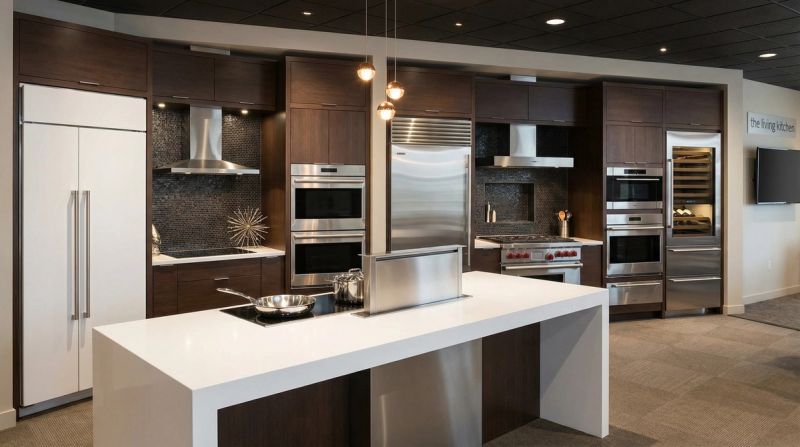
What Is a Floor Sample? The Smart Shopper's Guide to Showroom Deals
Floor samples are discounted showroom pieces. Learn why they’re sold, typical savings, what to check, and how FLRPL helps you find verified local Drops.

How to Find the Best Drops on FLRPL: A Shopper's Guide
Learn how to find the best floor samples, open-box items, and overstock deals on FLRPL. Tips for browsing local drops, inspecting condition, and shopping smarter.
Don't Miss the Next Drop
Be first to know when premium floor samples, open-box items, and clearance goods hit the market near you.